Digital products have quietly become one of the most powerful tools in the online business world. From eBooks and design templates to online courses and mobile apps, these products are everywhere and chances are, you’ve already bought one without even realizing it.
As more people turn to social media for both entertainment and income, digital products are becoming a popular way for creators, freelancers, and entrepreneurs to earn money online. They’re easy to distribute, don’t require physical inventory, and can scale with almost no additional cost.
In this article, we’ll break down exactly what digital products are and why they’re such a big deal. Whether you’re thinking about creating one or just want to understand the buzz, here are seven important facts every beginner should know.
What Are Digital Products?
A digital product is any item that is created, stored, and delivered in a digital format. Unlike physical goods, digital products don’t require inventory, warehouses, or shipping. Once created, they can be duplicated and sold repeatedly with minimal additional effort or cost.
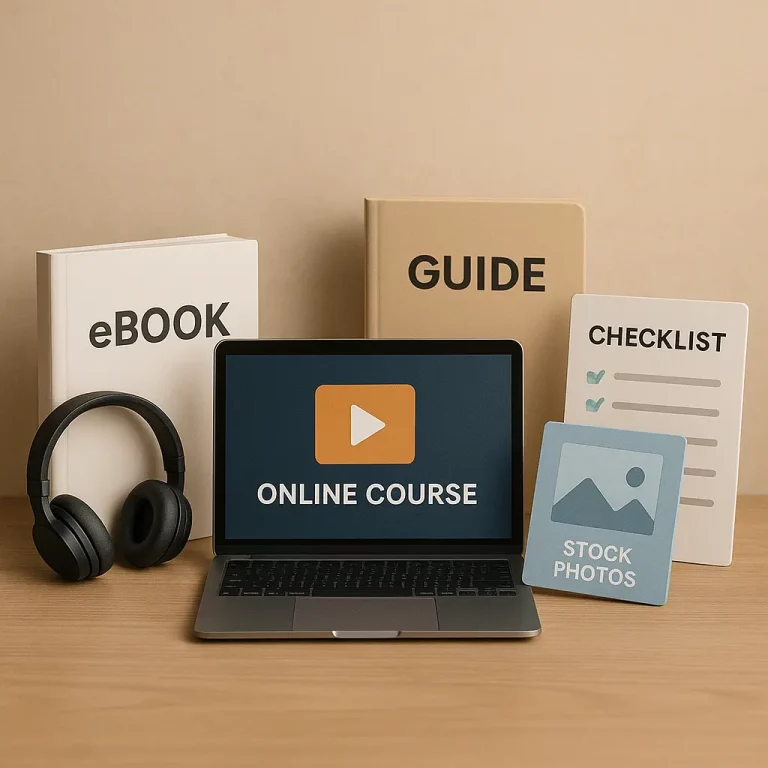
Examples of digital products include:
eBooks
Online courses and video tutorials
Stock photos, illustrations, and digital art
Templates for resumes, planners, and presentations
Software, mobile apps, and plug-ins
Spreadsheets, checklists, and guides
One simple and effective example is our free eBook, 50 Proven Ways to Make Money Online. It’s a downloadable resource designed to help readers explore income ideas from the comfort of home. This type of product delivers instant value and can be shared widely across social media, email, or websites.
Digital products are especially popular with creators, educators, and entrepreneurs because they can be built once and sold indefinitely. They’re accessible, flexible, and offer a way to turn knowledge, creativity, or specialized skills into scalable income.
Read our article about Digital Product Ideas You Can Launch Today: 10 Profitable Examples That Work
Why Digital Products Are Booming on Social Media
Social media has become more than a place to share updates or funny videos. It is now a marketplace, a platform for personal branding, and a storefront for digital entrepreneurs. From Instagram to TikTok, people are using short-form content and direct engagement to showcase and sell digital products every day.
Here are a few reasons this trend has taken off:
1. Low Barrier to Entry
Anyone with a laptop and an idea can create a digital product using simple tools like Canva or Teachable. There’s no need for physical materials, shipping, or storage.
2. Instant Delivery and Global Reach
Digital products can be purchased and accessed instantly. Social platforms make it easy to share links and reach a global audience without needing a complex sales system.
3. Built-In Trust and Engagement
Followers often feel a personal connection to the creators they support. When a trusted creator shares a product they made, it feels like a recommendation rather than an ad. This trust plays a major role in driving sales.
4. Short-Form Content Drives Action
Quick videos on TikTok or Instagram can highlight the benefits of a digital product in seconds. A simple demo or testimonial can generate interest and drive traffic to a product page almost immediately.
As more people turn to social platforms for both entertainment and education, digital products are becoming one of the most effective ways to monetize that attention.
Most Profitable Types of Digital Products in 2025
Not all digital products are created equal. Some have broader appeal, higher perceived value, or are simply more in demand than others. As the online economy grows, certain types of digital products continue to stand out as especially profitable.
Here are some of the top-performing digital product categories in 2025:
1. eBooks and Guides
Digital books remain one of the easiest and most effective ways to package knowledge. Whether you’re writing about fitness, finance, or freelancing, an eBook can deliver focused value to a specific audience. For example, our own 50 Proven Ways to Make Money Online is a digital guide that helps readers explore practical income ideas.
2. Online Courses and Video Trainings
People are willing to pay for in-depth knowledge, especially when it’s organized into clear lessons. Platforms like Thinkific and Teachable allow creators to launch courses on everything from coding to creative writing.
3. Templates and Printables
Ready-to-use templates for resumes, planners, social media posts, or business documents are in high demand. These products are easy to create and can be sold on platforms like Etsy, Creative Market, and Stan Store, which allows creators to sell digital products directly through their link-in-bio.
4. Digital Art and Design Assets
Designers can sell icons, illustrations, stock photos, mockups, and branding kits. Creators often use platforms like Gumroad, Sellfy, or Stan Store to reach customers looking for visual assets.
5. Notion Dashboards and Productivity Tools
As productivity tools like Notion become more popular, there’s growing interest in pre-made dashboards for budgeting, project planning, content calendars, and more. These are often bundled with tutorials or shared through digital storefronts like Beacons, which lets creators combine links, lead magnets, and digital downloads in one place.
6. Audio Products and Music Loops
Podcasts, guided meditations, royalty-free music tracks, and sound effects are valuable resources for content creators and marketers.
7. Software, Plug-ins, and Mobile Apps
Although more technical to create, software tools and plug-ins can be highly profitable. They often solve specific problems and attract dedicated user bases.
The beauty of digital products is that they can be created once and sold repeatedly with very little overhead. Choosing the right type depends on your skills, your audience, and the kind of value you want to offer.
Read our article about Digital Product Ideas You Can Launch Today: 10 Profitable Examples That Work
Popular Digital Product Types in 2025
| Product Type | Examples | Popular Platforms |
|---|---|---|
| eBooks & Guides | How-to books, income guides | Gumroad, Stan Store, Beacons |
| Online Courses & Trainings | Skill-building video lessons | Teachable, Thinkific |
| Templates & Printables | Planners, resumes, social media kits | Etsy, Creative Market, Stan Store |
| Design Assets & Digital Art | Icons, illustrations, branding kits | Sellfy, Gumroad, Stan Store |
| Productivity Tools | Notion dashboards, spreadsheets | Beacons, Gumroad |
| Audio Products | Music loops, meditations, sound effects | Sellfy, Gumroad |
| Software & Plug-ins | Mobile apps, browser extensions | Personal websites, app stores, Gumroad |

How to Create a Digital Product (Even If You’re a Beginner)
Creating a digital product may seem intimidating at first, but the process is more accessible than ever. With the right idea and a few user-friendly tools, anyone can package their skills or knowledge into something valuable that others are willing to pay for.
Here’s a simple step-by-step guide to get started:
1. Choose a Topic You Know or Care About
Start with something you’re familiar with or passionate about. This could be a hobby, a skill you’ve learned, or a challenge you’ve overcome. Focus on solving a specific problem or delivering a clear benefit to your target audience.
2. Validate Your Idea
Before you build anything, test demand. Search TikTok, YouTube, or Reddit to see if people are asking about your topic. You can also use tools like Answer the Public or Ubersuggest to research common questions and search volume.
3. Choose the Right Format
Select a format that fits your idea and feels doable.
If you’re a strong writer, consider an eBook or guide.
If you’re good at teaching, a video course might be ideal.
If you’re organized, templates or spreadsheets could be a great choice.
4. Use Beginner-Friendly Tools
You don’t need to be a designer or coder to create something professional.
eBooks and PDFs: Canva or Google Docs
Sales pages and storefronts: Stan Store, Beacons, or Gumroad
5. Package and Polish Your Product
Make sure the final product looks clean and is easy to use. Include clear instructions, and format your content for readability. Even small touches like a simple cover page or folder structure can make a big difference in how it’s perceived.
6. Set Up a Simple Way to Deliver It
Upload your product to a platform that handles payments and delivery. Stan Store and Beacons are especially popular with social media creators because they allow you to add digital products directly to your bio.
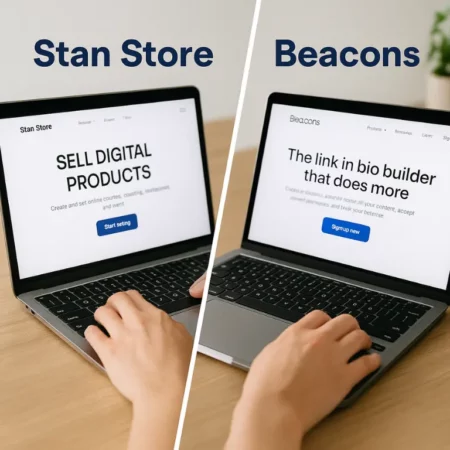
👉 Want help choosing the right platform to sell your products? Read our full comparison of Stan Store vs Beacons to find out which one fits your goals best.
Once your product is ready and live, you’re officially a digital creator. From there, you can start promoting it, building your audience, and refining your offer as you learn.
Beginner’s Checklist: How to Create a Digital Product
✔ Choose Your Topic
▢ Pick something you know, enjoy, or have experience with
▢ Focus on solving a specific problem or providing value
✔ Validate Your Idea
▢ Search TikTok, YouTube, and Reddit for demand
▢ Use tools like Answer the Public or Ubersuggest to find common questions
✔ Choose a Format
▢ eBook or guide (great for writers)
▢ Video course (ideal for teachers and demonstrators)
▢ Templates, spreadsheets, or planners (great for organizers)
✔ Use Beginner-Friendly Tools
▢ Canva for design and PDFs
▢ Teachable or Thinkific for online courses
▢ Notion or Excel for productivity templates
✔ Package and Polish
▢ Create a clean, well-formatted final product
▢ Include clear instructions and a title or cover page
▢ Organize files for easy access and delivery
✔ Upload and Sell
▢ Choose a platform like Stan Store, Beacons, or Gumroad
▢ Set up pricing, payment, and download delivery
▢ Add the product link to your bio or website
How to Sell Digital Products on Social Media
Once your digital product is ready, it’s time to get it in front of the right audience. Social media makes it easier than ever to promote, sell, and deliver your product without needing a full website or complicated tech setup.
Here are the most effective ways to start selling on social platforms:
1. Add a Link to Your Bio
Use a digital storefront like Stan Store or Beacons to host your product and make it available directly through your social media bio. These tools are built for creators and let you add payment options, lead magnets, and upsells all in one place.
2. Sell the Benefit, Not the Content
People don’t buy digital products for the number of pages or templates—they buy for the outcome. Focus your messaging on the results someone will get. For example, instead of saying “25-page eBook on productivity,” say “Learn how to reclaim 10 hours a week with a proven system.”
3. Use Short-Form Video to Demonstrate Value
Create short, engaging videos showing how your product works or the results it can help achieve. Platforms like TikTok, Instagram Reels, and YouTube Shorts are perfect for quick demos, behind-the-scenes looks, or success stories from people using your product.
4. Share Customer Testimonials and Reviews
Social proof builds trust. Ask early buyers for feedback, or share screenshots of messages you receive. This helps new audiences feel more confident about making a purchase.
5. Promote with Educational Content
Offer tips, how-tos, or bite-sized advice that relates to your product. This builds authority and gives people a reason to follow you. For example, if you’re selling a content planner, share a few weekly content ideas or show how to use one section of your template.
6. Use DMs and Comments to Build Relationships
Engage directly with followers who ask questions or comment on your posts. You can answer publicly or send a friendly direct message that includes your product link and a helpful note.
7. Pin or Highlight Key Posts
Pin your most important product-related post to the top of your feed. You can also use Instagram Highlights or TikTok pinned videos to create a mini sales funnel right on your profile.
Focus on helping and inspiring your audience. When people understand the true benefit of your digital product, the sale becomes a natural next step.
Selling Digital Products on Social Media: Key Tactics
| Tactic | What to Do | Why It Works |
|---|---|---|
| Link in Bio | Use platforms like Stan Store or Beacons to host your products | Makes it easy for followers to access and purchase your products |
| Sell the Benefit, Not the Content | Focus on the outcome your product provides, not just the features | Helps buyers understand the value and result they’ll get |
| Short-Form Video | Create quick demos, tips, or before/after clips of your product | Grabs attention and showcases the product in action |
| Customer Testimonials | Share reviews or feedback from early users | Builds trust and provides social proof |
| Educational Content | Teach something related to your product (tips, advice, tutorials) | Establishes authority and builds value before the sale |
| DMs and Comments | Respond to questions and engage directly with followers | Builds relationships and allows for personalized selling |
| Pin or Highlight Posts | Pin top-performing posts or add product highlights on your profile | Keeps your most important content visible at all times |
Marketing Strategies That Work in 2025
Creating a great digital product is just the beginning. To actually sell it, you need a marketing plan that works with how people consume content today. In 2025, the most effective strategies focus on authenticity, visibility, and providing real value upfront.
Here are the top marketing methods digital creators are using right now:
1. Build in Public
Share your process while you create your digital product. Post updates, sneak peeks, or ask your audience for feedback along the way. This builds anticipation and makes your followers feel like part of the journey.
2. Use Content to Teach First, Sell Second
Create educational or entertaining content that naturally leads into your product. For example, if you’re selling a Notion planner, make a quick video showing how you plan your week. This approach builds trust before asking for a sale.
3. Leverage User-Generated Content (UGC)
Ask early buyers to share how they’re using your product and tag you in their posts. Reposting this content builds social proof and shows others that your product delivers results.
4. Collaborate with Micro-Influencers
Even small accounts can have strong engagement. Partner with creators in your niche who align with your values. Offer them a free copy of your product or an affiliate link to promote it to their audience.
5. Create Evergreen Funnels Using Lead Magnets
Offer a free resource in exchange for an email address. Then, use an automated email sequence to educate your audience and introduce your product. Tools like Systeme.io and ConvertKit make this process easy to set up.
6. Stay Consistent with Your Brand Voice
Whether you’re posting videos, writing captions, or responding to comments, use a consistent tone that reflects your brand. People are more likely to buy from someone they feel they know and trust.
Marketing in 2025 is less about flashy sales tactics and more about building relationships. Focus on serving your audience well, and your product will gain traction naturally.
Marketing Strategies That Work in 2025
| Strategy | Description | Tools or Platforms |
|---|---|---|
| Build in Public | Share your product creation journey to generate interest and engage your audience early | Instagram Stories, TikTok, Threads |
| Teach First, Sell Second | Use educational or value-driven content to lead naturally into your product | YouTube Shorts, Reels, blog posts |
| Leverage UGC | Share content from customers using your product to build trust and show real-world results | Instagram reposts, TikTok duets, email screenshots |
| Collaborate with Micro-Influencers | Partner with niche creators to reach engaged audiences without needing huge budgets | TikTok, Instagram, affiliate links |
| Use Evergreen Funnels | Offer free value (like a guide or checklist) and follow up with automated emails | Systeme.io, ConvertKit |
| Stay Consistent with Brand Voice | Use a recognizable tone and style across your content to build loyalty and connection | Captions, email marketing, videos |
Common Mistakes and How to Avoid Them
Selling digital products is one of the most accessible ways to earn money online, but it’s not foolproof. Many beginners make small missteps that can slow their progress or hurt their results. Here are the most common mistakes to watch out for—and how to avoid them.
1. Focusing on Features Instead of Outcomes
People don’t care how many pages your eBook has or how many templates you include. They care about the transformation. Focus your messaging on how your product helps solve a problem or create a benefit.
Fix: Always lead with the result, not the content. Highlight time saved, stress reduced, income earned, or confidence gained.
2. Skipping Audience Research
Creating something just because it sounds like a good idea can backfire if no one is looking for it. Without audience research, your product might miss the mark completely.
Fix: Spend time on TikTok, Reddit, and search engines to see what people are asking. Use keyword tools or even Instagram comment sections to understand pain points.
3. Underpricing or Overpricing
Many creators either undervalue their work or overestimate what people will pay. Both can hurt your sales.
Fix: Check similar products in your niche and see what’s selling. Start with a reasonable price and adjust as needed based on feedback and results.
4. Neglecting Product Design
Even a great idea can fall flat if it looks unprofessional. Poor formatting, unclear navigation, or messy visuals can hurt trust and sales.
Fix: Use clean layouts, clear instructions, and tools like Canva to polish the design. A little effort goes a long way in perceived value.
5. Not Collecting Emails
Relying solely on social media means you’re building your business on someone else’s platform. If your account is lost or your reach drops, so does your income.
Fix: Offer a freebie like a checklist or guide in exchange for an email. Use simple tools like Systeme.io to grow your list and follow up with future offers.
Avoiding these common mistakes can save you time, boost your credibility, and help you turn a good product into a steady source of income.

Final Thoughts: The Digital Product Revolution Is Just Beginning
Digital products have opened the door for everyday people to turn their knowledge, creativity, and skills into income. Whether it’s a simple checklist, a full online course, or an eBook like our own 50 Proven Ways to Make Money Online, these products allow creators to build something once and share it with the world over and over again.
As social media continues to evolve, digital products are becoming one of the most effective ways to monetize attention, build authority, and create financial freedom—without needing a warehouse, a big team, or a huge audience.
This is just the beginning of our series on digital marketing and the creator economy. In the next article, we’ll explore how everyday creators are building real income streams through content, community, and consistency.
If you’re thinking about launching your first digital product, remember this: start simple, focus on the value you’re offering, and don’t be afraid to learn as you go.
Bonus: 15 Real-World Examples of Digital Products
If you’re still unsure what qualifies as a digital product, here’s a list of everyday examples that people are creating, buying, and selling right now. Some are simple, some are niche, and all of them are valuable when delivered to the right audience.
| Example | What It Is |
|---|---|
| eBook on How to Mow Your Lawn Like a Pro | Teaches homeowners lawn care techniques for a better-looking yard |
| Checklist for Buying a Used Car | Step-by-step questions to ask and what to inspect before you buy |
| Notion Dashboard for Daily Journaling | A digital journaling template with prompts and mood tracking |
| Resume Template for Graphic Designers | Customizable Canva resume tailored for design professionals |
| Social Media Post Calendar | Monthly planner with content prompts and post ideas |
| Freelancer Invoice Spreadsheet | Pre-built Excel or Google Sheets invoice template with formulas |
| Beginner’s Guide to Freelancing on Fiverr | PDF tutorial walking through how to set up a Fiverr profile |
| Meal Prep Plan for Busy Parents | 7-day plan with grocery list, recipes, and time-saving tips |
| Audio Meditation for Stress Relief | Downloadable 10-minute calming audio track with soothing voice or music |
| Stock Photo Bundle for Food Bloggers | A set of royalty-free food photos for websites or social media |
| Mini Course on Setting Up Shopify | 5-part video series showing how to launch a store from scratch |
| Printable Wedding Budget Planner | PDF spreadsheet to manage wedding expenses and deadlines |
| Instagram Bio Link Template | Editable template that mimics tools like Linktree or Beacons |
| Pet Training eBook for First-Time Dog Owners | Guide to help new dog owners teach commands and prevent bad behavior |
| Digital Art Prints for Home Decor | High-res files customers can print and frame at home |
Digital products don’t have to be complicated. If you’re offering value by saving time, solving a problem, or sharing knowledge, you’re on the right track.